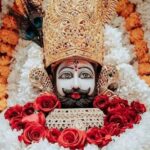
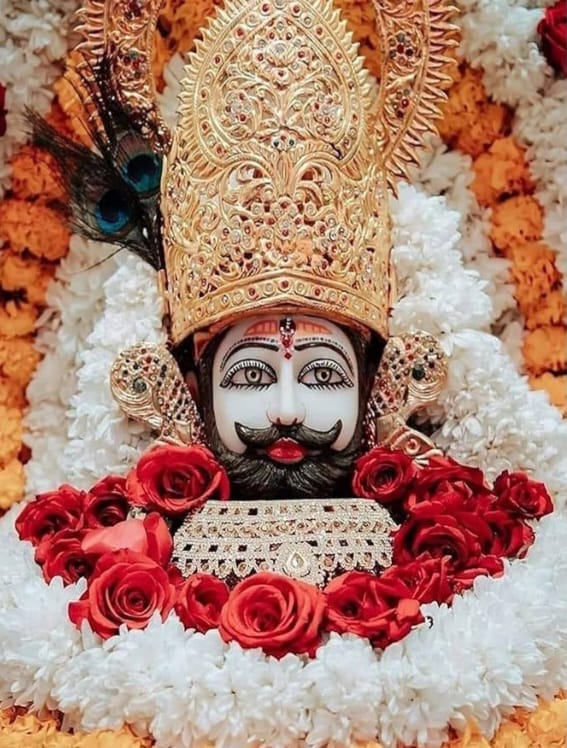
According to local belief, Barbarika voluntarily offered his head to Lord Krishna before participating in the war. Lord Krishna then blessed him, granting that in the future he would be worshipped in Khatu village as Khatushyam, and anyone who comes seeking his blessings would not return empty-handed. Based on this, he would be called the “supporter of the defeated” (Haare Ka Sahara).It is said that his head appeared in Khatu village in present-day Rajasthan, where a cow would shed milk at a specific spot every day. The head, recovered during excavation, was handed over to a Brahmin. It is believed that the then-ruler of Khatu later received a divine instruction in a dream to build a temple and install the head.
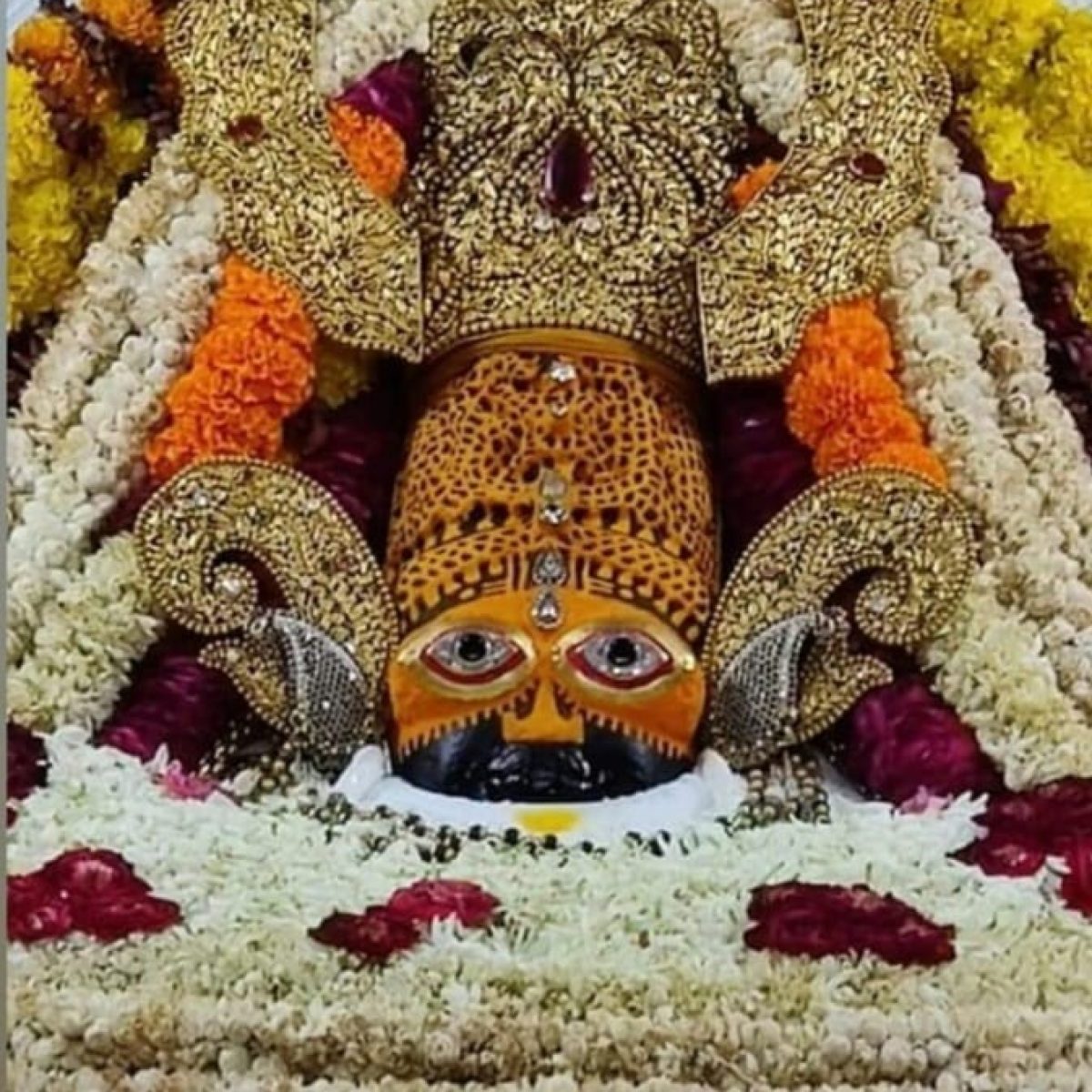
Significance of Khatu Shyam Seva Trust
Shree Khatu Shyam Seva Trust welcomes devotees to support temple seva and charitable activities through voluntary donations. Your support helps in organizing bhajan sandhya, bhandara, religious events, and other community welfare programs. Every contribution, big or small, is a step towards seva and devotion.
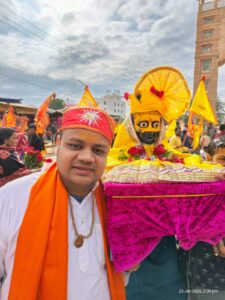
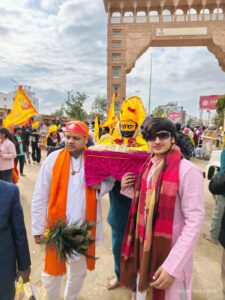
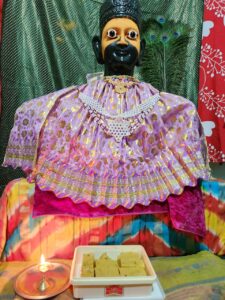
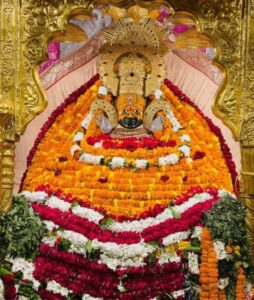
Location: Chatta Bazar, Holigate, Mathura, Uttar Pradesh– 281001